Playbook Overview
Welcome to the Arctic Move Playbook by Independence Moving and Storage. This resource distills the logistics of relocating in Alaska into practical, repeatable systems designed to reduce risk, control costs, and protect belongings from cold, moisture, and transit shocks. It focuses on route planning, seasonal timing, packing insulation, inventory control, and on-the-ground arrival routines that shorten ramp-up time in a new home.
Alaska’s extreme environment magnifies typical moving challenges. Winter temperatures, freeze–thaw cycles, and limited daylight complicate packing, loading, and delivery scheduling. Rural routes can introduce ferry segments, weather holds, and last-mile constraints. To respond, this playbook organizes actions into phases that build momentum without overloading any single week. Each phase couples checklists with templates for labeling, bin systems, and inventory so tasks remain visible and progress measurable.
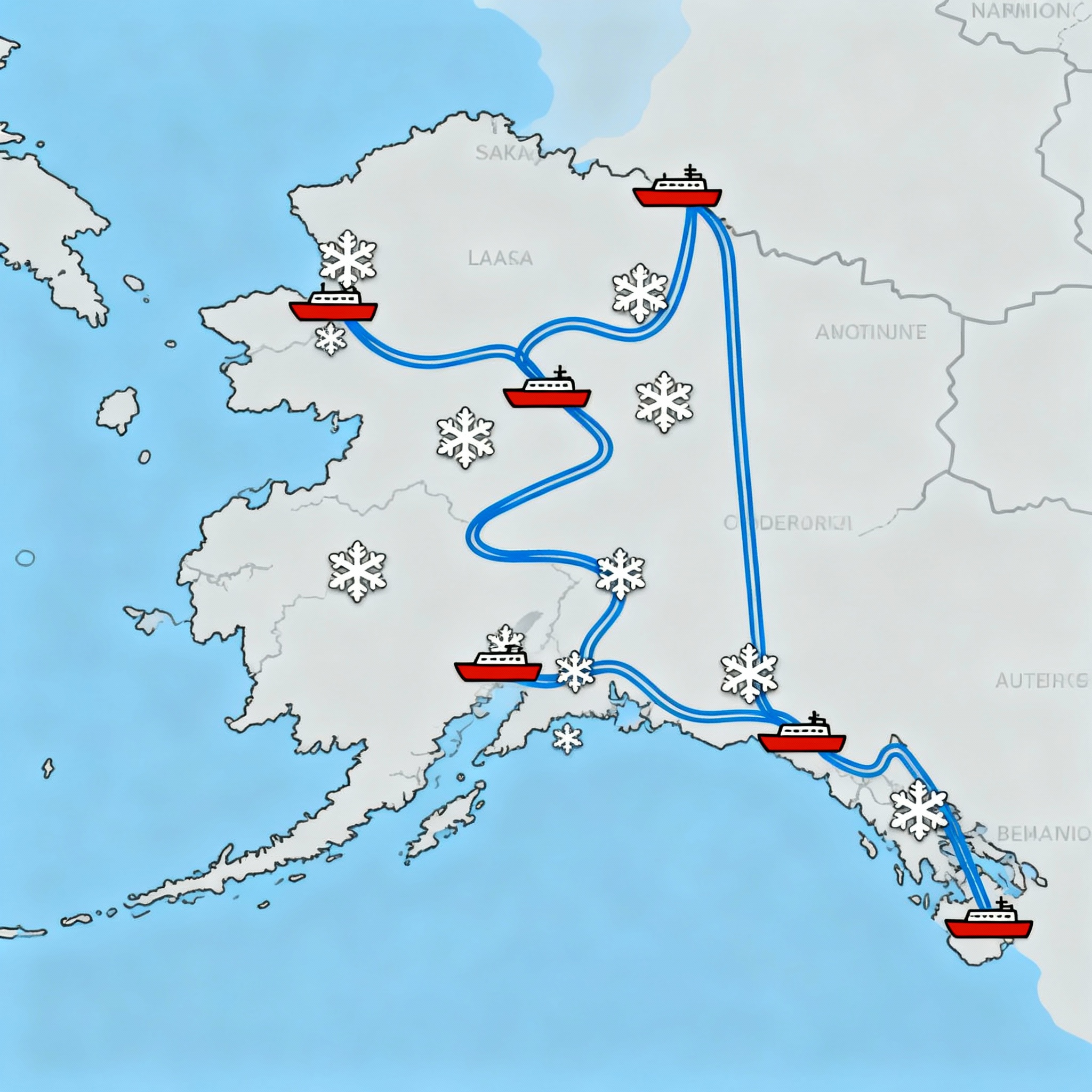
Route selection in Alaska hinges on seasonality, ferry schedules, and last-mile constraints such as narrow roads, steep grades, and unpaved segments. Preparing contingency routes for storms and closures reduces idle time and prevents spoilage of temperature-sensitive items. Budget modeling should include buffers for weather delays, overnight lodging, road permits, and terminal handling fees.
Carrier coordination benefits from early capacity reservations. Aligning pickup windows with port cutoffs and tide tables streamlines handoffs. For rural deliveries, confirm vehicle clearance, turning radii, and winter traction requirements. Where access is limited, stage smaller transfers via shuttle vehicles to protect both timelines and equipment.
Packing strategy emphasizes thermal protection and moisture control. Combine vapor barriers with closed-cell foam or wool to dampen thermal shock. Label acclimation-required boxes so electronics and wooden instruments warm gradually before use. Add desiccant and shock indicators for fragile, high-value items.
Inventory rigor accelerates claim resolution and reduces search time during unpacking. Use unique IDs, room codes, and priority tiers. Keep redundant copies (paper and offline digital). Photograph high-value goods and link images to box IDs for fast verification.